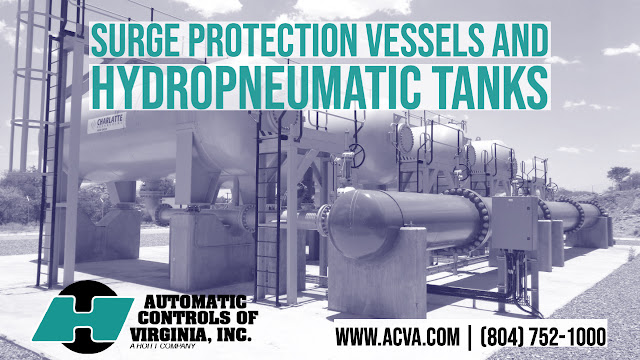
Surge protection vessels play a crucial role in water and wastewater treatment systems. They safeguard the integrity of pipelines and equipment by managing the sudden pressure changes that can occur during the operation of pumps and valves. These pressure fluctuations, known as water hammer, can cause significant damage to the infrastructure if not adequately controlled. Surge protection vessels, also called surge tanks or surge arrestors, are designed to mitigate these risks by absorbing the energy from pressure spikes, thereby preventing potential failures in the system.
At the heart of their operation, surge protection vessels work by providing a buffer zone where excess pressure can be temporarily contained. When a sudden change in the flow of water occurs—such as when a pump is turned off abruptly, or a valve is quickly closed—the momentum of the moving water can create a pressure surge. This surge travels through the pipeline at high speed, potentially causing damage at weak points or in equipment not designed to handle such pressure. The surge protection vessel is strategically placed in the system to absorb this shock wave. It usually contains a compressible gas, often air or nitrogen, which acts as a cushion. As the pressure surge enters the vessel, the gas compresses, absorbing the energy of the surge. This compression reduces the pressure in the pipeline, effectively protecting the system from damage.
The design of a surge protection vessel typically involves a cylindrical tank that is partially filled with water and partially with gas. When a pressure surge occurs, the water level in the tank rises as the gas compresses, thereby reducing the overall pressure in the system. Once the pressure normalizes, the gas expands, pushing the water back into the pipeline and restoring equilibrium. This cyclical process ensures the pipeline pressure remains within safe limits, even during sudden operational changes.
Surge protection vessels are used in water and wastewater treatment systems for several critical reasons. Firstly, they protect the physical infrastructure from the damaging effects of pressure surges. Without these vessels, pipelines could burst, pumps could fail, and valves could malfunction, leading to costly repairs and downtime. In addition to protecting equipment, surge protection vessels help ensure service continuity in water treatment plants. By preventing system failures, these vessels contribute to the reliable delivery of clean water and the effective treatment of wastewater, essential for public health and environmental protection.
Moreover, surge protection vessels contribute to the efficiency of water treatment processes. Maintaining stable pressure levels enables pumps and other equipment to operate more effectively, reducing wear and tear and extending the lifespan of the system components. This, in turn, lowers maintenance costs and improves the overall sustainability of the treatment facility.
Surge protection vessels are a vital component in designing and operating water and wastewater treatment systems. By effectively managing pressure surges, they protect infrastructure, ensure operational reliability, and enhance system efficiency, making them indispensable in modern water treatment practices.
https://acva.com
(804) 752-1000